
Care Dependency Grant
Independent guide. Not SASSA, not a government site. We never ask for your ID number or phone number.
In short
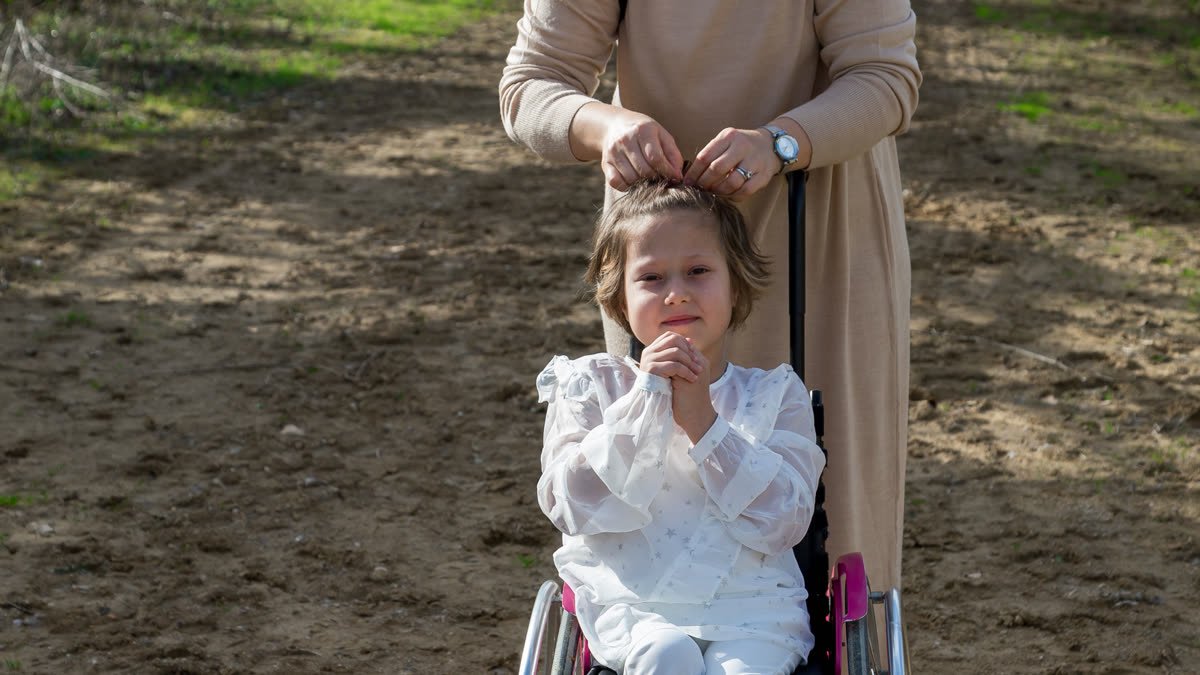
The Care Dependency Grant pays R2,400 per child, per month, in 2026/27. It is for the caregiver of a child under 18 with a severe disability who needs full-time care. The child must need care and supervision all the time, not just part of the day. A medical assessment is part of the application, and SASSA checks whether the child’s disability is severe enough to need full-time care.
The grant is paid to the caregiver, not to the child. It is paid on the children’s payment day each month, with the other children’s grants. For December 2026, that day is 4 December.
Who qualifies
The Care Dependency Grant is for the caregiver of a child under 18 with a severe disability. Three things must be true. First, the child must be under 18. Second, the disability must be severe. Third, the child must need full-time care and supervision because of that disability.
Full-time care means the child needs help all the time, not only at school or at night. If the child can manage on their own for most of the day, and only needs help now and then, the grant is unlikely to be approved. That is a hard test, and it is the reason many applications are declined.
The caregiver must be a South African citizen, a permanent resident or a recognised refugee living in South Africa. The exact citizenship and residence rules are set by SASSA, and they should be checked on sassa.gov.za before you apply.
This grant has a means test. SASSA checks the income of the caregiver. The exact income limit is set by SASSA and changes from time to time, so check the current limit on sassa.gov.za or ask at a SASSA office before you apply. Do not rely on a limit quoted on another site, because an old limit can make you think you qualify when you do not, or the other way round.
The medical assessment
A medical assessment is part of the application. SASSA does not approve this grant on your word alone, or on a letter from your own doctor alone. A doctor appointed by SASSA assesses the child and decides whether the disability is severe and whether the child needs full-time care.
Take the child’s medical records with you to the assessment. That includes clinic cards, hospital letters and any reports about the child’s condition. The more SASSA can see about the child’s daily needs, the clearer the decision will be.
If the assessment finds that the child does not need full-time care, SASSA will decline the grant. That does not mean the child has no disability. It means the disability does not meet the test for this grant. In that case, the Child Support Grant may apply instead, if you are the primary caregiver and you meet its means test.
How much is it?
The Care Dependency Grant is R2,400 per child, per month, in 2026/27. The amount is per child. If you care for more than one child who qualifies, you receive R2,400 for each child.
The amount has stayed the same since 1 April 2026. There was no change to this grant in October 2026. The only amount that changed in October was the Foster Child Grant, which rose from R1,290 to R1,300.
How to apply
Apply at a SASSA office, in person. Take your ID, the child’s documents, such as a birth certificate, and the child’s medical records. SASSA will tell you at the office what else it needs, and it will arrange the medical assessment.
SASSA services are free. You should never pay anyone to submit an application, speed up an approval or check your status. If someone asks for a fee, or for your OTP, it is a scam. Report it to SASSA on the fraud line.
You do not need to apply again each month once the grant is approved. The grant keeps paying each month, as long as the child still qualifies. SASSA may review the grant from time to time, and it may ask for a new medical assessment. Tell SASSA at once if the child’s condition changes a lot, or if the child no longer needs full-time care.
When is it paid?
The Care Dependency Grant is one of the children’s grants, so it is paid on the children’s payment day each month. SASSA pays its permanent grants over three days each month, in the same order. Older Persons grants pay first, Disability grants pay second, and Children’s grants pay third.
For December 2026, the confirmed dates are 2 December for Older Persons, 3 December for Disability, and 4 December for Children’s grants, with grants under review on 7 December. For January 2027, the dates of 5, 6 and 7 January are expected, not yet confirmed by SASSA. We label them that way until SASSA publishes them.
The money stays in your bank account until you take it out. You do not have to withdraw it on the pay day. If the money is not in your account a few working days after your pay date, check your status first, then call SASSA free on 0800 60 10 11 and ask for a payment trace.
What if your application is declined?
If SASSA declines your application, the letter should say why. Do not apply again without fixing the reason first. For this grant, the most common reasons are that the medical assessment found the child does not need full-time care, or that the income is above the means test limit, or that the documents do not show that you are the caregiver.
Keep the letter and take it to a SASSA office, with the child’s medical records. Ask what the next step is for your reason. If the reason is about the medical assessment, ask SASSA what new medical evidence would help, and whether a new assessment is possible.
Care Dependency Grant compared with the other children’s grants
There are three grants for children. The Care Dependency Grant is R2,400 per child, for the caregiver of a child with a severe disability who needs full-time care, and it has a means test. The Child Support Grant is R580 per child, for the primary caregiver, and it has a means test. The Foster Child Grant is R1,300 per child from 1 October 2026, for a foster parent, it needs a court order, and it has no means test.
You cannot choose the grant that pays the most. You can only claim the grant that fits your situation. The comparison guide at SASSA grants for children sets out all three side by side.
For the full list of all grants, see SASSA grants. For all the amounts in one table, see SASSA grant amounts 2026.
Frequently asked questions
How much is the Care Dependency Grant in 2026?
R2,400 per child, per month, in 2026/27.
What does full-time care mean?
It means the child needs help and supervision all the time because of a severe disability, not just part of the day. A medical assessment decides whether the child meets that test.
Who gets the money?
The money is paid to the caregiver, not to the child.
Does the Care Dependency Grant have a means test?
Yes. SASSA checks the income of the caregiver. Check the current income limit on sassa.gov.za before you apply.
When is the Care Dependency Grant paid?
It is paid on the children’s payment day each month, with the other children’s grants. In December 2026, that day is 4 December.
Sources
- Official SASSA site, sassa.gov.za, and the official 2026/27 payment schedule
- Official SRD portal, srd.sassa.gov.za
- SASSA grants hub on this site, which lists all grants and amounts
Last updated 23 November 2026. Amounts are for the 2026/27 financial year, from 1 April 2026. Report errors on the Contact page.